

The history of web browsers goes back to the early 90’s when a program called WorldWideWeb was created. The first “war” was waged between the Internet Explorer and Netscape Navigator browsers, finished with a crushing victory of the first one. In 2003- an outbreak of a second “war” of browsers took place. This time, Internet Explorer faced Mozilla Firefox, Opera and Safari. In 2008, Google Chrome joined the the competition.
Some people consider that the beginning of the latest clash started with the year 2004, when Mozilla 1.0 appeared – the first browser, which in their opinion was clearly better than the Microsoft’s program. It was much quicker, less complicated, more functional than the existing application. Users quickly began to see its functionalities, and so in early 2009 Firefox has become the most popular application in Poland.
Another important date in the history of browsers is 11th December 2008, when Google Chrome version 1.0 debuted. The application was faster than Firefox, had a simplified interface, but it lacked functionality – including extensions support. But the new features were being regularly added in the later versions, which appeared with increasing frequency.
Explorer and Mozilla couldn’t continue to ignore it. In March 2011 they discovered the cards. Internet Explorer was first – releasing it on March 14 IE9. According to Microsoft, the ninth edition of Explorer is a modern, unique product. Independent commentators admit that IE9 actually looks like a modern browser. IE9 is the only one of the leading browsers, which is designed only for Windows, and relies heavily on integration with the system. This allows a better use of hardware resources. And so the way to the functions of the operating system interface is open. An example is the function of pinned sites, which allows you to put your favorite sites directly on the taskbar in Windows 7 and treat them as other applications.
Just over a week later Mozilla show down the Firefox 4. Many new features were implemented, including: grouping of cards also called Panorama, or a function, which uses “drag-and-drop” to organize the cards in easy to manage groups.
Shortly after the release of its browser, Microsoft boasted 2.4 million downloads of Internet Explorer 9 on the first day of release. Mozilla’s answer was overwhelming – during 20 hours, the popular “fox” has been downloaded by over 5 million users.
An interesting fact about Firefox 4 is the creation of an interactive world map that shows, on which continents, in which countries, and even cities a new browser has been downloaded (simply select a color element in the lower left corner). Global map is based on IP addresses of the users.
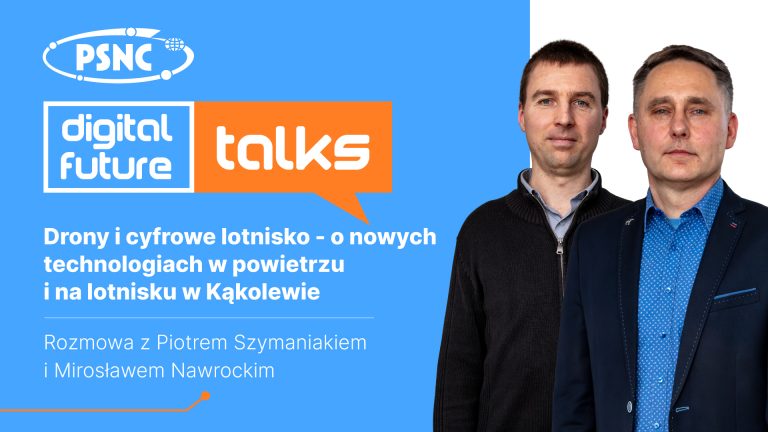
PSNC Digital Future Talks: Drones and the digital airport – about new technologies in the air and at the Kąkolewo airport
2024-04-10
What is a digital airport and will unmanned aerial vehicles soon serve as air taxis? What is their role in industry, defence and humanitarian aid? And will anyone be able to get a licence to fly a drone? Find the answers to these questions and more in the latest episode of the PSNC Digital Future Talks.

PSNC joined the E-RIHS PL Consortium
2024-04-09
The Poznan Supercomputing and Networking Centre has joined the Polish Consortium for Research on Cultural Heritage ERIHS PL. The aim of the Consortium is to increase knowledge of the properties and methods of conservation of materials that make up historical objects. PSNC joined it by supporting the structures with its knowledge and experience in the field of digitisation and digitisation of collections of culture, art and national heritage.

AI4EOSC 1 is out! A new toolbox for developing and running AI models in the EOSC
2024-03-29
AI4EOSC, a cutting-edge initiative at the intersection of Artificial Intelligence (AI) and the European Open Science Cloud (EOSC), is releasing the first version of the AI4EOSC platform and the AI4OS software stack which powers it. AI4EOSC provides a user-friendly workbench and toolbox for developing and running AI models, tightly integrated with the EOSC, now available for new users.
eDWIN takes part in a prestigious competition: we invite you to vote
2024-03-28
The eDWIN platform, developed in cooperation between the Poznań Supercomputing and Networking Center and the Wielkopolska Agricultural Advisory Center, has a chance to be recognised in the prestigious international WSIS competition, which selects projects and information and communication technologies to support sustainable development. The eDWIN platform has been nominated in the e-Agriculture category.
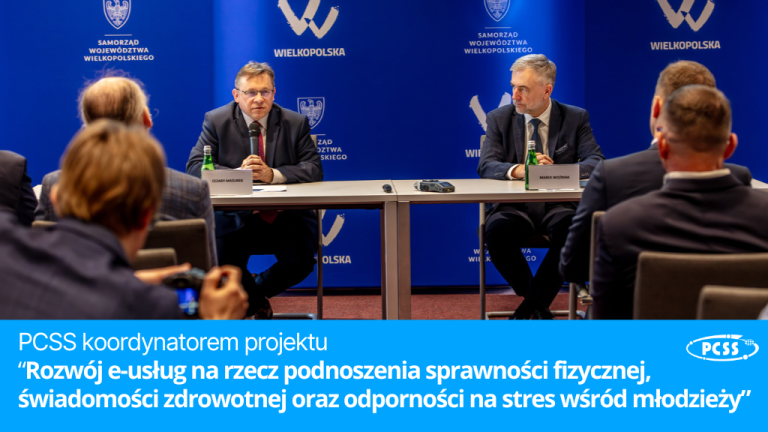
Creating a modern online platform for young athletes
2024-03-26
"Development of e-services to improve physical fitness, health awareness and stress resistance among young people" is a project that will create a modern online platform dedicated to young athletes, facilitating access to training and promoting an active lifestyle. The project is coordinated by the Poznań Supercomputing and Networking Center, while the partners include Koszykarski Klub Sportowy Basket Poznań and KKS Sporty Walki.
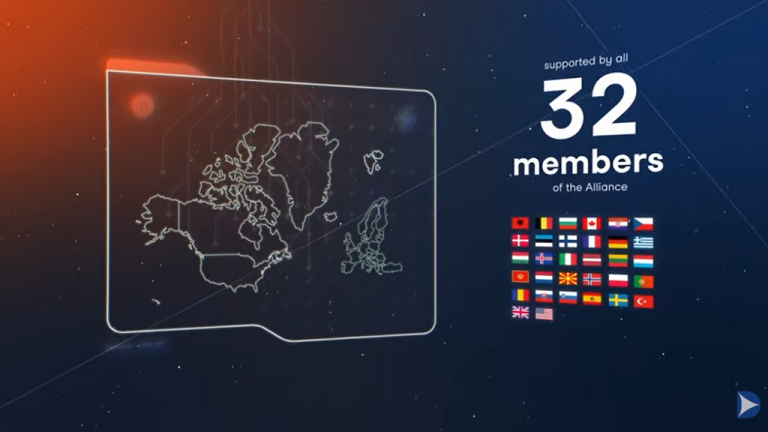
Announcement of the new map of NATO Defence Innovation Accelerators under the DIANA programme
2024-03-15
On 14 March 2024, a new map of test and accelerator areas under the NATO's Defence Innovation Accelerator for the North Atlantic (DIANA) programme was announced. The PSNC AerospaceLab in Kąkolewo is one of dozens of locations already selected in the North Atlantic Alliance for test centres (DIANA Test Centres). A new Polish contribution to the programme is the AGH University of Krakow, which together with the Krakow Technology Park will jointly run a branch of the NATO Defence Innovation Accelerator (Krakow DIANA Accelerator).
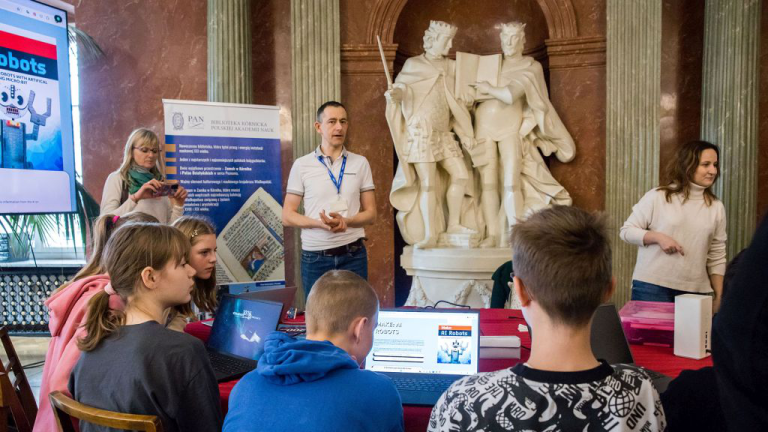
17th Poznań Festival of Science and Art
2024-04-17
The Poznań Festival of Science and Art has become a permanent fixture in the calendar of popular science events in the capital of the Wielkopolska region. This year's 17th edition began on Monday 15 April and will last until Saturday 20 April. For several years now, the Poznan Supercomputing and Networking Center and the Institute of Bioorganic Chemistry have been actively involved in the organisation of the festival, preparing numerous attractions for the youngest inhabitants of Poznan.
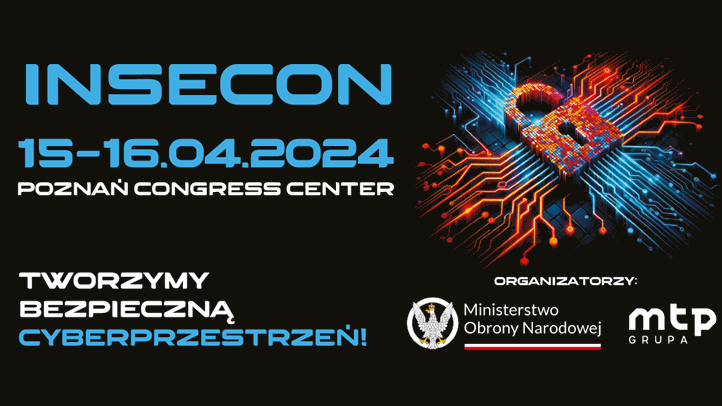
PSNC at the INSECON Congress
2024-04-17
The INSECON Congress (15-16 April 2024) is a platform for gaining knowledge, establishing business relationships and exchanging experiences with cyber security professionals. The event, organised by the Poznań International Fair and the Ministry of National Defence, was attended by representatives of the ICT Security Department of the Poznań Supercomputing and Networking Center.
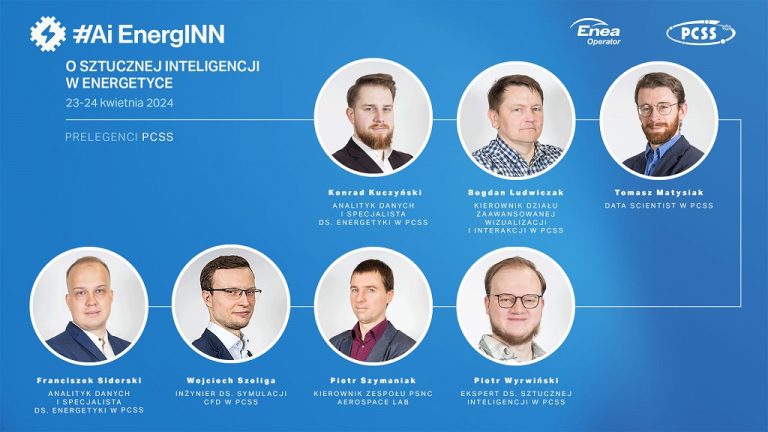
Ai_EnergINN 2024: presentations by PSNC representatives
2024-04-05
Ai_EnergINN is an industry conference dedicated to the use of artificial intelligence (AI) in the energy sector, to which we invite you together with Enea Operator on 23-24 April 2024 at the Poznań International Fair. The event will feature presentations divided into several thematic blocks, with the participation of representatives of the Poznań Supercomputing and Networking Center.
Ai_EnergINN 2024 – About artificial intelligence in the energy industry
2024-03-27
How does an unmanned meter storage work? Do VR and AR also work well in the energy industry? How does nuclear fusion determine the future of energy? These are just a few of the topics that will be widely discussed during #Ai_EnergINN - a conference organised by Enea Operator and the Poznań Supercomputing and Networking Center. The conference will be held at the Poznan International Fair on 23-24 April as part of EXPOPOWER.
EuroHPC Summit 2024
2024-03-26
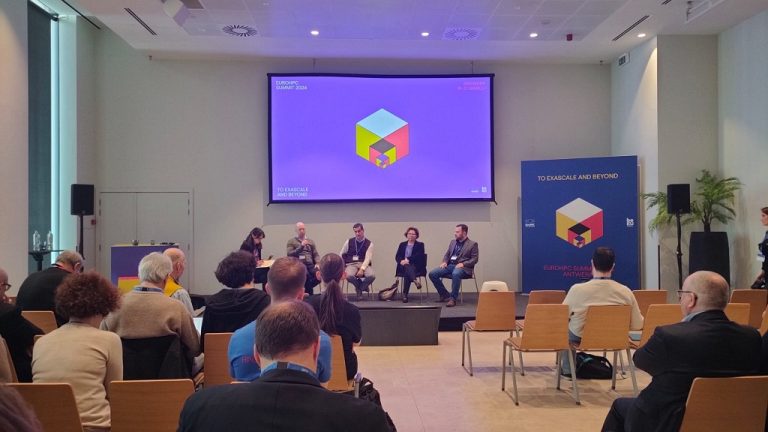
The EuroHPC Summit 2024 conference took place in Antwerp on 18-21 March 2024 during the Belgian Presidency. The event once again brought together a large number of stakeholders in the supercomputing industry from both the public and private sectors, including policy makers. At the invitation of the EuroHPC JU, the workshop entitled "Centres of Excellence: Deploying Flagship Codes on EuroHPC Supercomputers' was attended by Dr.Eng. Marcin Lawenda from the New HPC Architectures Department.
Machina Futura at PSNC Future Labs
2024-03-15
For the second time, RPG fans will take over the rooms of a tenement building at 20 Zwierzyniecka Street in Poznań. Sessions, lectures and workshops will take place over two weekend days (17 and 18 March). The event is organised by PSNC Future Labs, TOPORY Association, Imaginarium RPG and Rimein RPG.
Experiments using the largest IBM Q quantum computers
2024-04-14
The Polish Quantum Computing Node established at the Poznań Supercomputing and Networking Center - IBM Quantum Innovation Center - focused its activities in 2023 on expanding partnerships with leading centers and teams dealing with the development of quantum algorithms and their potential applications.

“Knowledge-based technologies can be good for health” – an interview with Professor Michał Nowicki
2024-04-07
We invite you to read an interview with Prof. Dr. Michał Nowicki, Vice-Rector for Research and International Relations, Poznan University of Medical Sciences, in which he discusses issues related to the use of modern ICT technologies in a variety of health and medical contexts.
About PSNC anniversary in GÉANT CONNECT
2024-04-03
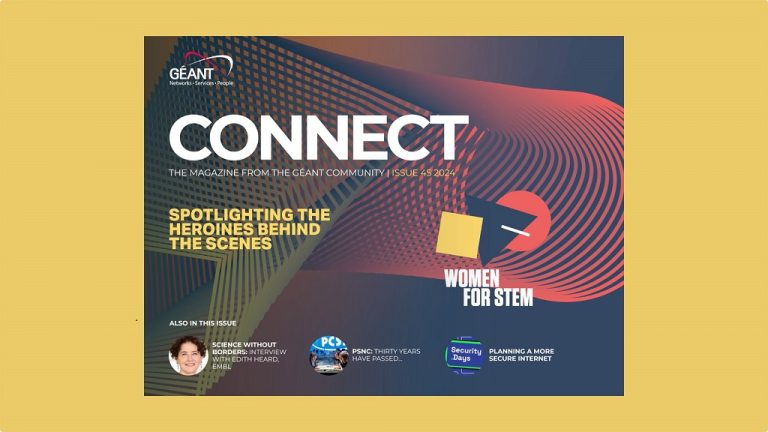
The latest issue of "CONNECT" magazine, which focuses on the GÉANT network and community, published an article on three decades of activity of the Poznan Supercomputing and Networking Center. The publication describes the most important events in the history of the PSNC, which is an important international node of the European Research Area in the field of information technology infrastructure for science and an important research and development center for information and communication technologies.

The role of artificial intelligence in medicine and neuroscience
2024-03-18
The search for reliable and efficient algorithms to facilitate the work of doctors, the search for new biological markers for specific diseases, the support of diagnosis and better methods for quantifying the therapeutic process are among the greatest challenges of modern societies, which are being addressed at the Poznan Supercomputing and Networking Center.

Supporting Sustainable Development: ILIAD and HiDALGO2 Projects
2024-03-08
For over 30 years, the Poznań Supercomputing and Networking Center has been providing access to world-class e-Infrastructure, thus creating a unique research and development environment working towards socio-economic Sustainable Development Goals (SDGs). The projects implemented in this area at PSNC include ILIAD and HIDALGO2.

DInGO – Digitize and Go
2024-03-01
The past year 2023 has brought many interesting solutions in the field of digital libraries and the aggregation of digital cultural heritage data. In cooperation with the Silesian Library and the University of Wrocław the following activities were carried out: the development of the DInGO software package, which resulted in the first implementations of the seventh generation of the dLibra system, characterised by a new layout of the user interface, a new method of searching resources made available in the system and their presentation taking into account the occurrence of search terms in the content of the object.
PSNC Digital Future Talks: Drones and the digital airport – about new technologies in the air and at the Kąkolewo airport
2024-04-10
What is a digital airport and will unmanned aerial vehicles soon serve as air taxis? What is their role in industry, defence and humanitarian aid? And will anyone be able to get a licence to fly a drone? Find the answers to these questions and more in the latest episode of the PSNC Digital Future Talks.
17th Poznań Festival of Science and Art
2024-04-17
The Poznań Festival of Science and Art has become a permanent fixture in the calendar of popular science events in the capital of the Wielkopolska region. This year's 17th edition began on Monday 15 April and will last until Saturday 20 April. For several years now, the Poznan Supercomputing and Networking Center and the Institute of Bioorganic Chemistry have been actively involved in the organisation of the festival, preparing numerous attractions for the youngest inhabitants of Poznan.
Experiments using the largest IBM Q quantum computers
2024-04-14
The Polish Quantum Computing Node established at the Poznań Supercomputing and Networking Center - IBM Quantum Innovation Center - focused its activities in 2023 on expanding partnerships with leading centers and teams dealing with the development of quantum algorithms and their potential applications.
PSNC joined the E-RIHS PL Consortium
2024-04-09
The Poznan Supercomputing and Networking Centre has joined the Polish Consortium for Research on Cultural Heritage ERIHS PL. The aim of the Consortium is to increase knowledge of the properties and methods of conservation of materials that make up historical objects. PSNC joined it by supporting the structures with its knowledge and experience in the field of digitisation and digitisation of collections of culture, art and national heritage.
PSNC at the INSECON Congress
2024-04-17
The INSECON Congress (15-16 April 2024) is a platform for gaining knowledge, establishing business relationships and exchanging experiences with cyber security professionals. The event, organised by the Poznań International Fair and the Ministry of National Defence, was attended by representatives of the ICT Security Department of the Poznań Supercomputing and Networking Center.
“Knowledge-based technologies can be good for health” – an interview with Professor Michał Nowicki
2024-04-07
We invite you to read an interview with Prof. Dr. Michał Nowicki, Vice-Rector for Research and International Relations, Poznan University of Medical Sciences, in which he discusses issues related to the use of modern ICT technologies in a variety of health and medical contexts.
AI4EOSC 1 is out! A new toolbox for developing and running AI models in the EOSC
2024-03-29
AI4EOSC, a cutting-edge initiative at the intersection of Artificial Intelligence (AI) and the European Open Science Cloud (EOSC), is releasing the first version of the AI4EOSC platform and the AI4OS software stack which powers it. AI4EOSC provides a user-friendly workbench and toolbox for developing and running AI models, tightly integrated with the EOSC, now available for new users.
Ai_EnergINN 2024: presentations by PSNC representatives
2024-04-05
Ai_EnergINN is an industry conference dedicated to the use of artificial intelligence (AI) in the energy sector, to which we invite you together with Enea Operator on 23-24 April 2024 at the Poznań International Fair. The event will feature presentations divided into several thematic blocks, with the participation of representatives of the Poznań Supercomputing and Networking Center.
About PSNC anniversary in GÉANT CONNECT
2024-04-03
The latest issue of "CONNECT" magazine, which focuses on the GÉANT network and community, published an article on three decades of activity of the Poznan Supercomputing and Networking Center. The publication describes the most important events in the history of the PSNC, which is an important international node of the European Research Area in the field of information technology infrastructure for science and an important research and development center for information and communication technologies.
eDWIN takes part in a prestigious competition: we invite you to vote
2024-03-28
The eDWIN platform, developed in cooperation between the Poznań Supercomputing and Networking Center and the Wielkopolska Agricultural Advisory Center, has a chance to be recognised in the prestigious international WSIS competition, which selects projects and information and communication technologies to support sustainable development. The eDWIN platform has been nominated in the e-Agriculture category.
Ai_EnergINN 2024 – About artificial intelligence in the energy industry
2024-03-27
How does an unmanned meter storage work? Do VR and AR also work well in the energy industry? How does nuclear fusion determine the future of energy? These are just a few of the topics that will be widely discussed during #Ai_EnergINN - a conference organised by Enea Operator and the Poznań Supercomputing and Networking Center. The conference will be held at the Poznan International Fair on 23-24 April as part of EXPOPOWER.
The role of artificial intelligence in medicine and neuroscience
2024-03-18
The search for reliable and efficient algorithms to facilitate the work of doctors, the search for new biological markers for specific diseases, the support of diagnosis and better methods for quantifying the therapeutic process are among the greatest challenges of modern societies, which are being addressed at the Poznan Supercomputing and Networking Center.
Creating a modern online platform for young athletes
2024-03-26
"Development of e-services to improve physical fitness, health awareness and stress resistance among young people" is a project that will create a modern online platform dedicated to young athletes, facilitating access to training and promoting an active lifestyle. The project is coordinated by the Poznań Supercomputing and Networking Center, while the partners include Koszykarski Klub Sportowy Basket Poznań and KKS Sporty Walki.
EuroHPC Summit 2024
2024-03-26
The EuroHPC Summit 2024 conference took place in Antwerp on 18-21 March 2024 during the Belgian Presidency. The event once again brought together a large number of stakeholders in the supercomputing industry from both the public and private sectors, including policy makers. At the invitation of the EuroHPC JU, the workshop entitled "Centres of Excellence: Deploying Flagship Codes on EuroHPC Supercomputers' was attended by Dr.Eng. Marcin Lawenda from the New HPC Architectures Department.
Supporting Sustainable Development: ILIAD and HiDALGO2 Projects
2024-03-08
For over 30 years, the Poznań Supercomputing and Networking Center has been providing access to world-class e-Infrastructure, thus creating a unique research and development environment working towards socio-economic Sustainable Development Goals (SDGs). The projects implemented in this area at PSNC include ILIAD and HIDALGO2.
Announcement of the new map of NATO Defence Innovation Accelerators under the DIANA programme
2024-03-15
On 14 March 2024, a new map of test and accelerator areas under the NATO's Defence Innovation Accelerator for the North Atlantic (DIANA) programme was announced. The PSNC AerospaceLab in Kąkolewo is one of dozens of locations already selected in the North Atlantic Alliance for test centres (DIANA Test Centres). A new Polish contribution to the programme is the AGH University of Krakow, which together with the Krakow Technology Park will jointly run a branch of the NATO Defence Innovation Accelerator (Krakow DIANA Accelerator).
Machina Futura at PSNC Future Labs
2024-03-15
For the second time, RPG fans will take over the rooms of a tenement building at 20 Zwierzyniecka Street in Poznań. Sessions, lectures and workshops will take place over two weekend days (17 and 18 March). The event is organised by PSNC Future Labs, TOPORY Association, Imaginarium RPG and Rimein RPG.
DInGO – Digitize and Go
2024-03-01
The past year 2023 has brought many interesting solutions in the field of digital libraries and the aggregation of digital cultural heritage data. In cooperation with the Silesian Library and the University of Wrocław the following activities were carried out: the development of the DInGO software package, which resulted in the first implementations of the seventh generation of the dLibra system, characterised by a new layout of the user interface, a new method of searching resources made available in the system and their presentation taking into account the occurrence of search terms in the content of the object.